When it comes to upgrading your home or outdoor space, gas line installation is one of the most important infrastructure services you can invest in. Whether you’re adding a new gas stove, BBQ hookup, outdoor fireplace, or pool heater, a professionally installed gas line ensures safety, efficiency, and peace of mind. At Halton Gas, we specialize in reliable, code-compliant gas line installations tailored to your home or business needs.
In this comprehensive guide, we’ll walk you through everything you need to know about gas line installation—from why it matters to what to expect, and best practices to keep your system safe and performing beautifully.
Why Gas Line Installation Matters
Gas line installation isn’t just about feeding fuel to an appliance—it’s about creating a safe and efficient energy infrastructure for your home. A correctly installed gas line delivers natural or propane gas to appliances like stoves, dryers, fireplaces, grills, and pool heaters with consistent pressure and safety.
Here’s why professional installation matters:
Safety First: Gas is highly flammable. Errors in installation can lead to dangerous leaks, fire hazards, and even carbon monoxide exposure.
Code Compliance: Local codes and regulations require licensed technicians to install gas lines to meet safety and inspection standards.
Reliable Performance: Correct sizing, routing, and testing ensure optimum gas flow to your appliances.
Peace of Mind: Professional installers manage permits, inspections, and safety checks—so you don’t have to worry about hidden risks.
Common Gas Line Applications
Gas line installation services cover a range of residential and commercial needs, including:
1. Kitchen Gas Line Installation
Many homeowners choose gas over electric for stoves and cooktops because of better heat control and efficiency. Professional installation ensures your kitchen appliances receive gas safely and reliably.
2. Outdoor BBQ Gas Line Installation
Connecting your BBQ to a natural gas line eliminates the need for propane tanks and offers uninterrupted fuel for grilling season after season.
3. Underground Gas Line Installation
For outdoor kitchens, fire pits, pool heaters, and more, underground gas piping keeps pipes out of sight and protected from weather and accidental damage.
4. Gas Fire Feature Connections
Natural gas fire tables, fireplaces, and fire pits add ambiance and warmth to patios and backyards. Safe, professional gas line installation is key to enjoying these features worry-free.
5. Commercial Gas Line Installation
Restaurants, offices, and industrial facilities often require complex gas line systems designed to meet specific business needs.
What to Expect During the Gas Line Installation Process
Understanding the steps involved helps you plan and prepare for a smooth installation. Here’s what typically happens:
1. Initial Consultation and Site Evaluation
A professional technician will assess your property, discuss needs, and identify the best route and materials for the gas line.
2. Detailed Estimate
You’ll receive a transparent cost breakdown before any work begins. Factors like distance, material choice, accessibility, and expected permits all affect pricing.
3. Permit and Code Compliance
Gas installation generally requires local permits and inspections. Licensed installers handle this process on your behalf.
4. Installation
High-quality materials like black iron, CSST (corrugated stainless steel tubing), or polyethylene for underground lines are used. Pipes are routed, secured, and connected under strict safety standards.
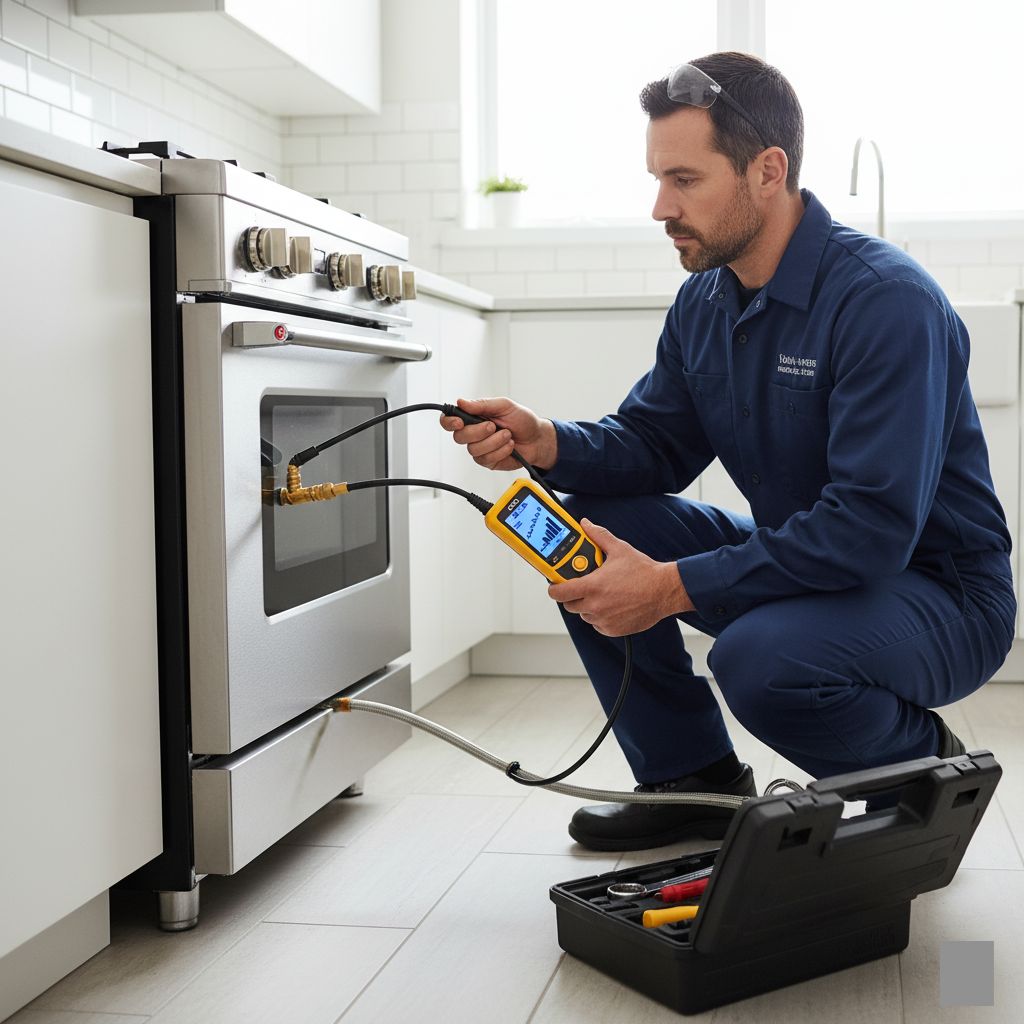
5. Pressure Testing and Leak Detection
Before activation, the system undergoes pressure and leak tests to ensure airtight connections.
6. Final Inspection and Activation
A final check confirms everything is up to code and operating as intended. Appliances connected to the line are tested for safety and function.
Most residential installations can be completed in a single day, though larger or underground projects may take longer.
Benefits of Professional Gas Line Installation
1. Safety and Compliance
Licensed professionals ensure your system meets all regulatory codes and safety standards—reducing the risk of leaks and hazards.
2. Long-Term Reliability
Proper installation improves efficiency and reduces the need for future repairs or emergency fixes.
3. Improved Home Value
Modern gas infrastructure can enhance your property’s resale appeal.
4. Expert Troubleshooting
Professionals spot potential issues early—like corrosion or improper routing—before they develop into costly problems.
Best Practices For Gas Line Safety
Safety should always be the priority when installing or upgrading gas lines. Here are some general best practices:
Hire Licensed Technicians: Professionals have the tools, skills, and certifications necessary for safe installation.
Plan Gas Line Routes Carefully: Avoid routing gas pipes near electrical wiring, water lines, or high-traffic zones.
Install Shut-Off Valves Near Appliances: These allow quick isolation in emergencies.
Use Approved Materials: Only materials rated for gas use—like CSST or black iron—should be used.
Pressure Test Every Line Before Use: Leak testing is essential to validate installation integrity.
Regular Inspections: Annual checks help detect issues like corrosion or loose fittings before they become dangerous.
Common Mistakes to Avoid
DIY gas line installation or hiring unqualified installers can lead to costly—and dangerous—mistakes. Avoid these common pitfalls:
Using incorrect pipe materials that degrade or corrode quickly.
Skipping pressure and leak tests.
Failing to secure pipes properly.
Neglecting permit requirements.
Incorrect sizing that leads to inefficient performance.
Professional installers are trained to avoid these errors and ensure a safe, compliant system.
FAQs About Gas Line Installation
1. What is gas line installation?
Gas line installation is the process of routing, connecting, and testing gas piping to deliver fuel safely from a supply source to appliances or outdoor features.
2. Why can’t I install a gas line myself?
Gas line work is hazardous and strictly regulated. Only licensed professionals can ensure safe installation, proper testing, and code compliance.
3. How long does gas line installation take?
Most residential jobs are completed in a day, while complex or underground installations may take longer due to permitting and site conditions.
4. Do I need a permit?
Yes, most installations require local permits and inspections, which licensed installers typically handle.
5. How much does gas line installation cost?
Costs vary based on length, materials, site accessibility, and regulatory fees. A professional installer provides a detailed quote before work begins.
6. How do I know if my gas line needs replacing?
Signs include leaks, corrosion, low appliance performance, or outdated materials. Contact a professional for inspection.
Conclusion
Gas line installation is a critical investment in your home’s safety and efficiency. Whether you’re planning a new kitchen remodel, outdoor entertainment area, or commercial upgrade, working with qualified professionals ensures every connection is safe, compliant, and built to last.
At Halton Gas, our expert technicians deliver dependable, code-compliant installations with transparent pricing and a commitment to quality you can trust. Ready to get started? Contact us today for a consultation and free estimate.