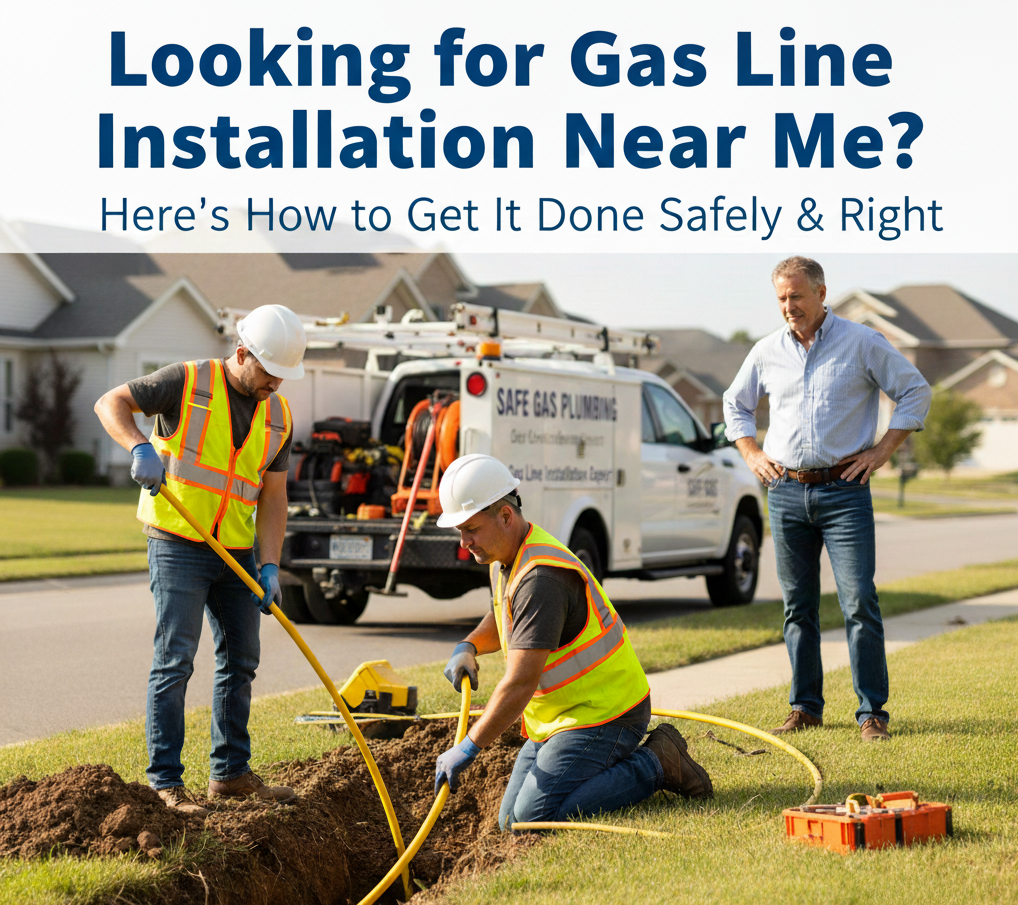
Searching for gas line installation near me usually means one thing—you need a safe, reliable solution fast. Whether you’re installing a new gas appliance, upgrading an old line, or extending gas service to an outdoor kitchen or fireplace, gas line work is not something to take lightly. A properly installed gas line protects your home, your family, and your investment, while poor installation can lead to leaks, safety hazards, and costly repairs.
This guide explains how to get gas line installation done the right way, what to expect during the process, and how to choose a professional you can trust.
Why Professional Gas Line Installation Matters
Gas lines carry natural gas or propane under pressure, making precision and expertise essential. Professional installation ensures compliance with local codes, correct pipe sizing, and proper connections that prevent leaks. Licensed technicians also know how to test pressure levels and verify system safety before turning the gas on.
Hiring a professional for gas piping installation gives you peace of mind, knowing the work meets safety standards and passes inspection. It also helps protect warranties on gas appliances such as stoves, dryers, furnaces, and water heaters.
Common Reasons Homeowners Need Gas Line Installation
Homeowners often search for gas line installation services when planning upgrades or renovations. Common situations include:
Installing a new gas stove, range, or cooktop
Connecting a gas dryer or tankless water heater
Adding an outdoor grill, fire pit, or patio heater
Replacing old or corroded gas pipes
Extending gas service to a new room or addition
Each project requires careful planning, correct materials, and precise installation to ensure long-term safety and performance.
What Happens During a Gas Line Installation?
Understanding the process helps you feel confident about the work being done in your home.
Site Assessment and Planning
A licensed technician evaluates your existing gas system, appliance requirements, and layout. This includes checking gas pressure, pipe routing, and local building codes.
Proper Pipe Sizing
Correct pipe size is critical. Undersized lines can cause low pressure and appliance malfunction, while oversized lines can be inefficient and costly.
Safe Installation and Connections
The technician installs approved gas piping, fittings, and shut-off valves. All joints are sealed and secured according to code requirements.
Pressure Testing and Inspection
Before the gas is activated, the system is pressure-tested to detect leaks. This step ensures your gas line is safe and ready for use.
How to Choose the Right Gas Line Installer Near You
When searching for gas line installation near me, don’t focus on price alone. Safety, experience, and credentials matter more.
Look for a provider who offers:
Licensed and insured gas technicians
Experience with residential and commercial gas lines
Knowledge of local building codes and permits
Transparent pricing and clear communication
Strong customer reviews and local reputation
Working with an experienced local provider like Halton Gas ensures the job is done safely, efficiently, and in compliance with regulations.
Signs You May Need Gas Line Replacement or Repair
Sometimes installation isn’t about adding something new—it’s about fixing an existing problem. Call a professional immediately if you notice:
A strong sulfur or rotten egg smell
Hissing sounds near gas pipes
Visible corrosion or damaged lines
Appliances not heating properly
Higher-than-normal gas bills
These signs may indicate a gas leak or failing line that requires immediate attention.
Safety Tips for Homeowners
Even after professional installation, homeowners play a role in maintaining safety:
Never attempt DIY gas line work
Keep gas lines accessible and unobstructed
Schedule inspections if your home is older
Install carbon monoxide detectors near appliances
Call a professional if you suspect a leak
Gas safety is an ongoing responsibility, not a one-time task.
Cost Factors for Gas Line Installation
The cost of gas line installation can vary based on several factors, including:
Length of the gas line
Type of piping material used
Number of appliances connected
Indoor vs outdoor installation
Permit and inspection requirements
A professional assessment provides an accurate estimate and helps avoid unexpected expenses later.
Why Local Expertise Makes a Difference
Choosing a local gas line installer means faster response times, better knowledge of local codes, and easier follow-up service. Local professionals understand regional safety requirements and inspection processes, helping projects move smoothly from start to finish.
Frequently Asked Questions
How long does gas line installation take?
Most residential gas line installations can be completed within a few hours, depending on complexity and inspection requirements.
Do I need a permit for gas line installation?
In most areas, yes. Licensed professionals typically handle permits and inspections on your behalf.
Can I install a gas line myself?
No. Gas line installation should always be performed by a licensed professional due to safety and legal requirements.
How do I know if my gas line is leaking?
Common signs include a sulfur smell, hissing sounds, or dying vegetation near outdoor lines. If suspected, leave the area and call a professional immediately.
Is gas line installation safe for older homes?
Yes, when done by experienced technicians who assess existing systems and upgrade materials as needed.
Final Thoughts
If you’re looking for gas line installation near me, the key is choosing a qualified professional who prioritizes safety, accuracy, and compliance. From new appliance connections to full gas line upgrades, expert installation ensures reliable performance and long-term peace of mind.
Taking the time to hire the right installer today can help prevent serious issues tomorrow—and keep your home safe, efficient, and ready for modern living.