
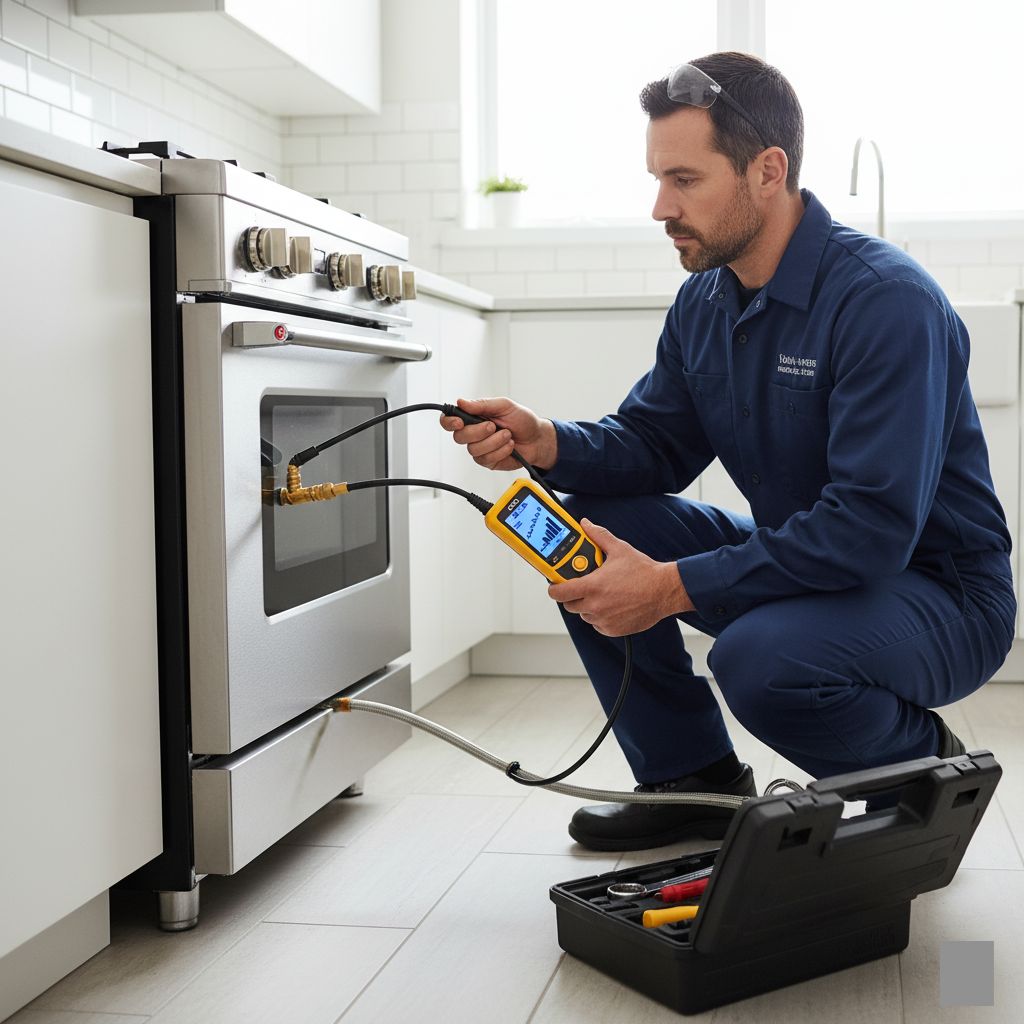
Gas lines power essential appliances such as stoves, heaters, water systems, and outdoor grills. A properly planned gas line installation ensures safety, efficiency, and long-term reliability. However, even a minor issue—like a small leak or poor connection—can quickly turn into a serious hazard.
Many homeowners first notice problems through a faint gas smell near the kitchen, furnace, or outdoor line. That moment can feel stressful. The uncertainty, the worry about safety, and the fear of costly repairs can weigh heavily. It’s important to know that gas line issues are common, and with the right professional help, they can usually be resolved quickly and safely.
This guide explains how gas line installation works, what warning signs to watch for, and how to respond calmly and correctly if a problem occurs.
Understanding Gas Line Installation
A professional gas line installation involves designing and installing piping systems that safely deliver natural gas or propane to appliances. Licensed gas technicians follow strict safety codes, pressure standards, and material guidelines set by local authorities and organizations such as the International Fuel Gas Code (IFGC) and national safety regulators.
Proper installation typically includes:
Load calculations for appliances
Correct pipe sizing
Leak-proof connections
Pressure testing
Code-compliant routing
Final safety inspections
When installed correctly, gas systems can operate safely for decades.
Common Signs of Gas Line Problems
Gas leaks and installation issues often show early warning signs. Recognizing these signs helps prevent serious hazards.
1. Strong Gas Odor
Natural gas suppliers add a sulfur-like smell to help detect leaks. If a rotten-egg odor appears indoors or near an appliance, it may indicate a leak.
2. Hissing Sounds
A faint hissing or whistling sound near pipes or fittings may suggest escaping gas.
3. Physical Symptoms
Exposure to leaking gas can cause symptoms such as:
Headaches
Dizziness
Nausea
Fatigue
According to safety guidance from organizations like the U.S. Consumer Product Safety Commission and similar national safety authorities, gas exposure can affect oxygen levels and cause health symptoms if not addressed quickly.
Where You Smell Gas and What It May Indicate
Different locations of a gas smell can point to specific issues:
Kitchen Area
Possible loose stove connection
Faulty valve or regulator
Aging flexible gas hose
Furnace or Boiler Room
Cracked supply line
Loose pipe joints
Malfunctioning appliance fittings
Outdoor Gas Meter or Yard
Underground line damage
Corroded pipe sections
Soil movement affecting connections
Near Water Heater
Improper installation
Valve or connector leak
Pressure buildup issues
Each location provides clues, but only a licensed technician can confirm the exact source.
Step-by-Step Solutions: What to Do and What Not to Do
If you suspect a gas leak, follow these practical steps.
What to Do
Stay calm and avoid panic.
Open windows and doors to improve ventilation.
Turn off the gas supply if it is safe to reach the valve.
Evacuate everyone from the building.
Contact a licensed gas technician or emergency services.
What NOT to Do
Do not switch electrical appliances on or off.
Do not use matches, lighters, or open flames.
Do not attempt DIY repairs on gas lines.
Do not ignore even a faint gas smell.
Prompt action can prevent fires, explosions, or health complications.
Emotional Reassurance: You Are Not Alone
Smelling a gas leak can feel alarming. The uncertainty, especially at night or during cold weather, can cause real anxiety. Many homeowners experience this situation at least once, particularly in older properties or after appliance upgrades.
The good news is that most gas line problems have straightforward solutions. Professional gas line installation and repair services handle these issues every day. With proper inspection and timely repair, homes can return to safe, normal conditions quickly.
When NOT to Google: Call an Expert Immediately
Some situations require immediate professional help. Stop reading and contact a gas line expert or emergency services if:
The gas smell is very strong or spreading quickly.
You hear a loud hissing noise.
People feel dizzy, faint, or nauseous.
The smell persists even after ventilation.
A gas appliance has been physically damaged.
These scenarios may indicate a significant leak that requires urgent professional attention.
Professional Gas Line Installation: What the Process Looks Like
A licensed technician usually follows these steps:
Step 1: Inspection and Planning
The technician evaluates appliance requirements, pipe routes, and safety codes.
Step 2: Pipe Sizing and Material Selection
Proper pipe diameter ensures adequate gas flow without pressure loss.
Step 3: Installation
Pipes are cut, fitted, and sealed using approved materials.
Step 4: Pressure Testing
The system undergoes pressure testing to confirm there are no leaks.
Step 5: Final Safety Check
All appliances are connected and tested for safe operation.
Recovery Timeline After a Gas Leak or Installation Issue
Most minor gas line problems follow a predictable timeline:
First 24 Hours
Leak is identified and repaired.
Gas system is pressure tested.
Home ventilation removes residual gas odor.
1–3 Days
System operates normally.
Any appliance adjustments are completed.
1–2 Weeks
Full confidence in safe operation returns.
No lingering smell or symptoms.
Possible Complications if Untreated
Ignoring a gas leak can lead to:
Fire or explosion risks
Long-term appliance damage
Increased gas bills
Health symptoms from exposure
Timely professional intervention prevents these complications.
Benefits of Proper Gas Line Installation
A correctly installed gas system offers:
Improved appliance efficiency
Lower energy costs
Reduced risk of leaks
Compliance with safety codes
Higher property value
Regular inspections every few years help maintain system integrity.
Preventive Tips for Homeowners
Simple habits can reduce gas line risks:
Schedule annual appliance inspections.
Replace old connectors and valves.
Avoid DIY gas line modifications.
Watch for unusual smells or sounds.
Install gas detectors in key areas.
Submit Your Story
Have you experienced a gas leak or recently completed a gas line installation? Sharing real experiences helps others understand warning signs, solutions, and recovery steps. Consider submitting your story to your local service provider or community safety platform. Real-world experiences often guide homeowners to act faster and safer.
Frequently Asked Questions
1. How long does a gas line installation take?
Most standard installations take a few hours to a full day, depending on pipe length, appliance connections, and inspection requirements.
2. Is gas line installation safe in older homes?
Yes. A licensed technician can upgrade or replace aging lines to meet current safety codes.
3. How often should gas lines be inspected?
Many experts recommend a professional inspection every 2–3 years or whenever a new appliance is installed.
4. Can I install a gas line myself?
Gas line installation should always be handled by licensed professionals. DIY work can lead to leaks, code violations, and serious safety risks.
5. What is the most common cause of gas leaks?
Loose fittings, corroded pipes, damaged connectors, and improper installation are among the most common causes.